Sunburn and Blisters Treatment in Spain: Face & Under-Eye Care

Medically Reviewed by Dr. Pedro Yelamo Vera, MD
Licensed Physician No. 484814280 · Official Medical College of Bizkaia (Spain)
Sunburn assessed by video with an English-speaking GP in Spain.


Dr. Pedro Yelamo Vera
Licence No. 484814280 · Urgent, non-emergency care
Common Symptoms
Sunburn is damage to the skin caused by the sun's ultraviolet (UV) rays. It can quickly spoil a holiday after a day at the beach, the pool or on a hike in strong Spanish sun. Symptoms of sunburn may include:
- Red, painful skin (redness can be hard to see on brown or black skin)
- Warmth and tenderness
- Swelling
- Itching, then peeling skin a few days later
- Blisters, a sign of a second-degree burn
- Headache, nausea, or fatigue after extensive exposure
Sunburn is painful and can worsen for several hours after exposure. Most mild cases improve with simple care at home. Extensive burns, though, can cause dehydration, infection, or heat-related illness. Every sunburn also raises your risk of skin cancer.
You don't have to figure this out alone
Dr. Pedro Yelamo Vera is an independent, bilingual GP licensed in Spain. Book a 15-minute video consultation in English or Spanish for €50, with a private electronic prescription issued under Spanish law when clinically appropriate.
How We Treat It
The doctor will check how much skin is burnt, whether there are blisters and where they are. He also asks about pain, how much you are drinking, your age and any signs of heat illness. Treatment may include:
- Cooling: cool showers and cold compresses, never ice on the skin
- Advice on drinking enough fluids
- Pain relievers such as paracetamol or ibuprofen, if suitable for you
- Skin care with an unperfumed moisturiser or one with aloe vera
- How to protect blistered skin while it heals
- Sun protection: keep the burnt skin covered until it has healed
Sunburn and blisters treatment focuses on cooling the skin, easing pain and protecting blisters from infection. Severe burns, extensive blistering, facial involvement, or symptoms such as fever or vomiting require in-person assessment.
Clinical Evaluation & Evidence-Based Protocol for Sunburn and Blisters Treatment
During a telemedicine consultation with Dr. Pedro Yelamo Vera (licensed medical practitioner No. 484814280 at the Official Medical College of Bizkaia), clinical evaluation adheres strictly to evidence-based medical (EBM) standards. The doctor conducts a thorough history, evaluating symptom duration, aggravating factors, prior treatments, and drug allergies to establish an accurate differential diagnosis.
Private Electronic Prescriptions (Receta Médica) Issued Under Spanish Law
When clinically indicated, Dr. Yelamo issues a private electronic prescription (Receta Médica Electrónica Privada) under Spanish law. The digital prescription contains a secure QR verification code accepted at all 22,000+ registered community pharmacies across Spain for immediate medication dispensing.
Itemized Invoices for Travel & Private Health Insurance Reimbursement
After your consultation, you receive an official medical report and an itemized invoice. The invoice shows Dr. Yelamo's licence details and tax ID. You can send it to your travel or private health insurer (such as Bupa, Allianz, Cigna, AXA or a US travel policy) to claim the cost back.
Preparing for Your Online Medical Consultation
Before your appointment, note when your symptoms started and any medicines you have already tried. Have your allergies and your usual prescriptions to hand. For a skin, rash or eye problem, sit in a well-lit room so the doctor can see it clearly.
Clinical Follow-Up & When In-Person Urgencias Are Necessary
Video care works well for common infections, mild sudden symptoms, skin rashes and repeat prescriptions. Some warning signs need emergency care in person: severe shortness of breath, a high fever you cannot bring down, chest pain or a stiff neck. If you have any of them, call 112 in Spain straight away.
When to Seek Immediate In-Person Care
Seek urgent medical attention if you have:
- Extensive blistering or severe pain
- Burns involving the face, eyes, hands, genitals, or major joints
- Confusion, fainting, persistent vomiting, or severe weakness
- Signs of dehydration or heat illness
- Fever with worsening skin pain
- Signs of infection such as pus or spreading redness
- Sunburn in a baby or young child
Frequently asked questions
Can mild sunburn be treated online?
Yes. Mild sunburn without warning signs can often be managed with advice by video. The doctor can also tell you whether blisters, swelling or eye symptoms need an in-person visit.
What is the best treatment for sunburn blistering?
Blistering sunburn is a second-degree burn. Sunburn blistering treatment aims to protect the raw skin while it heals. Cool the skin, leave the blisters intact and cover the blisters loosely with a non-stick dressing. See a doctor if blisters cover a large area, look infected, or come with fever, chills or feeling unwell.
Should I pop sunburn blisters?
No. Intact blisters protect the raw skin and lower the risk of infection. If one pops, wash your hands, let the fluid drain and leave the loose skin in place. Keep the popped blister clean and covered. Seek advice if you see spreading redness, pus or warmth.
What should I avoid on sunburnt skin?
Do not put ice, ice packs, petroleum jelly or other oily products on sunburnt skin. Do not scratch or pull off peeling skin, and avoid tight clothes over the burn.
How do I treat sunburn under the eyes or on the eyelids?
Use cool, damp compresses on closed eyes for 10 to 15 minutes, a few times a day. Use a fragrance-free moisturiser around the eyes, not in them. Avoid perfumed or numbing creams there and wear sunglasses. If your eyes feel gritty, very painful or sensitive to light, or your vision changes, you may have sunburnt eyes (photokeratitis). Get checked the same day.
How can I prevent sunburn in Spain?
Preventing sunburns starts with shade. In Spain, seek shade from 12:00 to 16:00, when UV rays are strongest. Wear clothing, a wide-brimmed hat and UV-blocking sunglasses. Protect your skin with a broad-spectrum sunscreen of at least SPF 30, and reapply it every two hours and after swimming. Keep babies and young children out of direct sun.
When is sunburn an emergency?
Seek urgent care for extensive burns, severe blistering, facial or eye involvement, fainting, persistent vomiting, or severe dehydration. Call 112 for signs of heatstroke, such as confusion, a fit, passing out, or hot skin that is not sweating.
How long does sunburn take to heal?
Mild sunburn usually settles within about a week. The skin may peel for a few days as it heals. Blistering sunburn can take longer. Keep the skin out of the sun until it has fully healed, and see a doctor if it is not getting better.
What are the degrees of sunburn?
Most sunburn is first degree: red, warm, sore skin that heals in a few days. Second-degree sunburn blisters and takes longer to heal, and large blistered areas need a doctor. Third-degree burns from the sun are rare and need urgent care. 'Sun poisoning' is a common name for severe sunburn with fever, chills, headache or nausea: see a doctor.
Online consultations are for urgent, non-emergency care. In a medical emergency call 112 immediately or go to your nearest emergency department.
 Every day · 07:30–20:30
One named doctor, from first call to follow-up
Book a secure 15-minute video consultation with Dr. Pedro Yelamo Vera for €50. Appointments every day, 07:30–20:30 (Spain time). For urgent, non-emergency care; in an emergency, call 112.
Book a Video ConsultationPart of Urgent Telemedicine Consultations
Other things I treat, and what I can't treat online
Explore other treatments
 Sore Throat Pain Treatment
 UTI Treatment in Spain with an English-Speaking Doctor
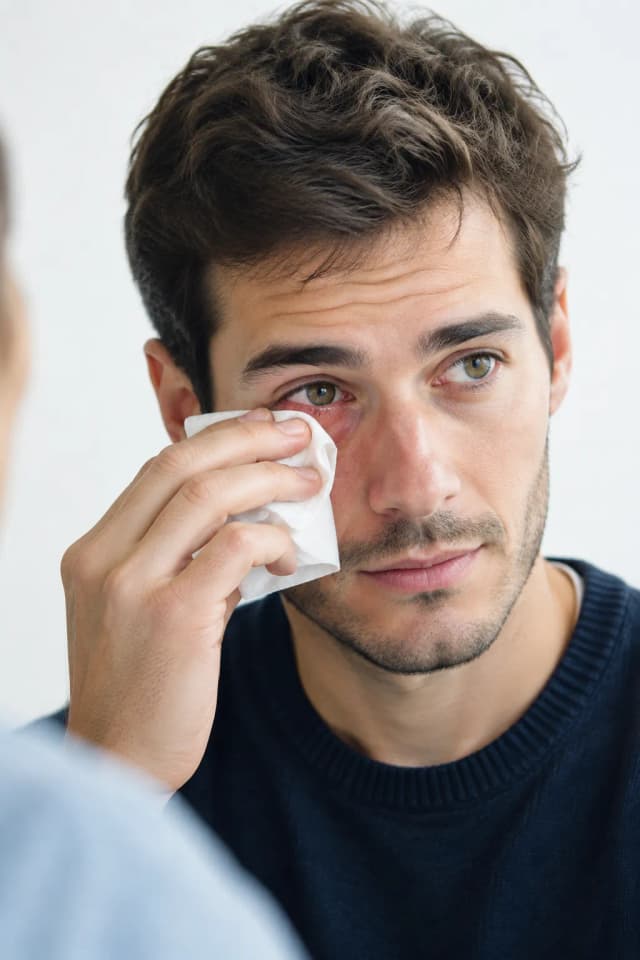 Conjunctivitis (Pink Eye) Treatment
 Yeast Infection Treatment
 Sinus Infection Treatment
 Cold Sore Treatment