- How fast can I see an English-speaking doctor while in Madrid?
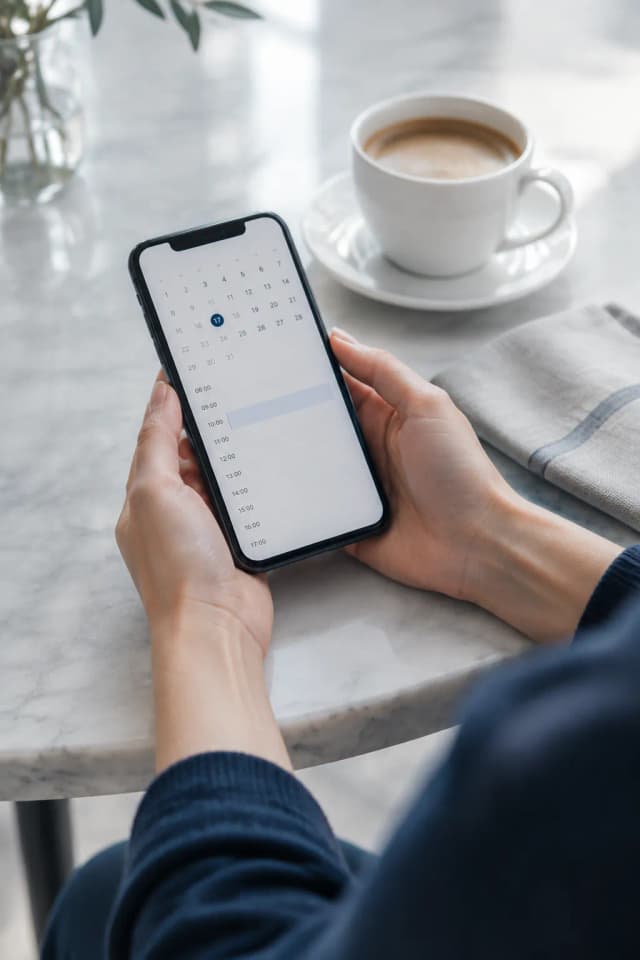
- Appointments run every day, 07:30–20:30 (Spain time). Pick a time in the booking calendar. You join from your phone or laptop, with no app to download.
- Will my prescription work at local Madrid pharmacies?
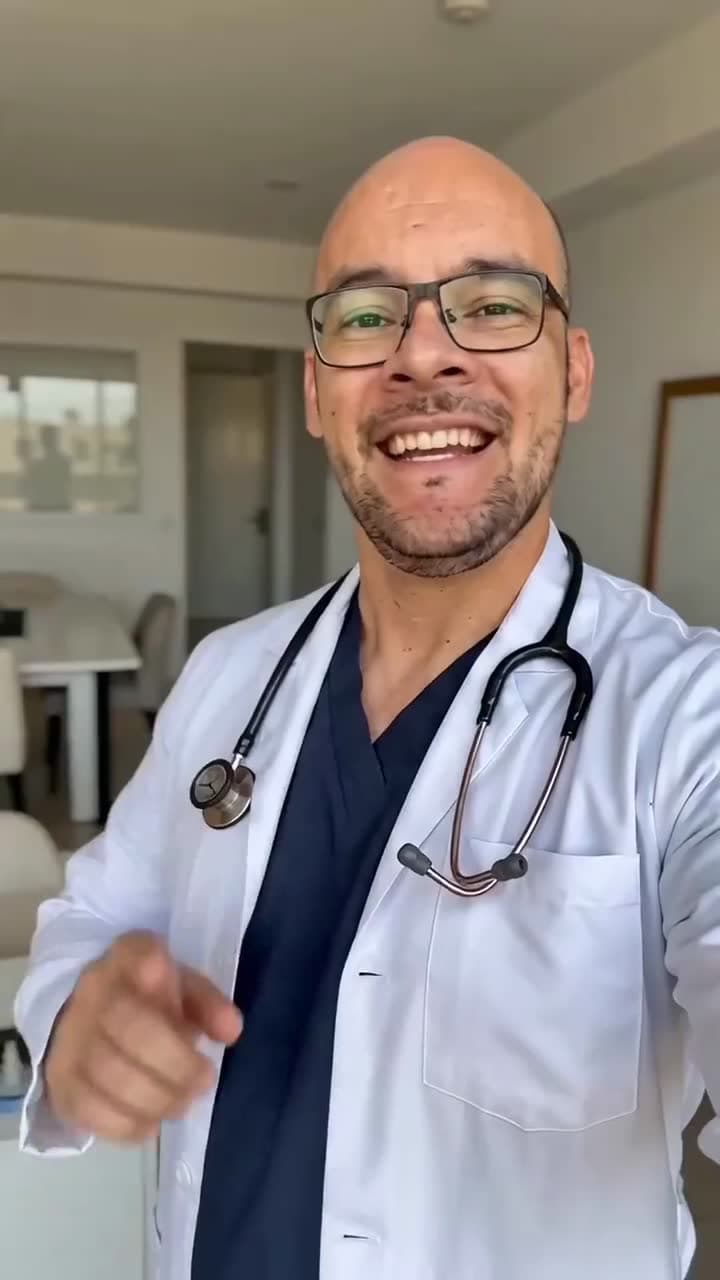
- Yes. Dr. Yelamo is licensed by the Colegio Oficial de Médicos de Bizkaia (No. 484814280). His private e-prescriptions follow Spanish law, and Madrid pharmacies can fill them.
- Can I use my consultation invoice for travel or private insurance reimbursement?
- Yes. You get an itemised invoice. It shows the doctor's Spanish licence number and what the visit covered. You can send it to your travel insurer; whether they pay it back depends on your policy.
- What symptoms and travel medical needs can be managed online in Madrid?
- Common ones are traveler's diarrhea, food poisoning, throat or ear infections, UTIs and pink eye. Others are hay fever, migraine and repeat prescriptions for long-term health problems. Fit-to-fly and visa certificates are also possible.
- Are medications and prescriptions guaranteed during the call?
- No. The doctor decides if you need a prescription. That decision always follows a full assessment under Spanish medical rules.
- How does healthcare work for expats living in Madrid?
- Once you live in Madrid, public care runs through the Comunidad de Madrid health service. First the INSS must recognise your right to care (for example through work, a pension or an S1). Then you apply for the tarjeta sanitaria at the centro de salud for your address, with your TIE or passport and a padrón certificate under 90 days old. Until then, private insurance or a private doctor covers the gap.
- I just moved to Madrid. What should I sort out first for my health?
- Register on the padrón, get your NIE or TIE, and check how you are covered: work, an S1 form, private insurance or, after a year of padrón, the convenio especial. Bring a list of your medicines by active ingredient: prescriptions from outside the EU are not valid in Spanish pharmacies, and many pharmacies ask for a Spanish one. For urgent, non-emergency problems in English before your health card arrives, you can book a video visit here. Emergencies: 112.