Online GP for journalists in Spain: confidential video care

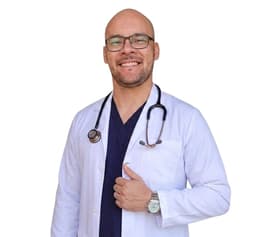
Medically Reviewed by Dr. Pedro Yelamo Vera, MD
Licensed Physician No. 484814280 · Official Medical College of Bizkaia (Spain)Last reviewed: 11 October 2026
Confidential video GP care for journalists in Spain: how to prepare, protect your records and know when an in-person assessment is needed.
You don't have to figure this out alone
Dr. Pedro Yelamo Vera is an independent, bilingual GP licensed in Spain. Book a 20-minute video consultation in English or Spanish for €50, with a private electronic prescription issued under Spanish law when clinically appropriate.
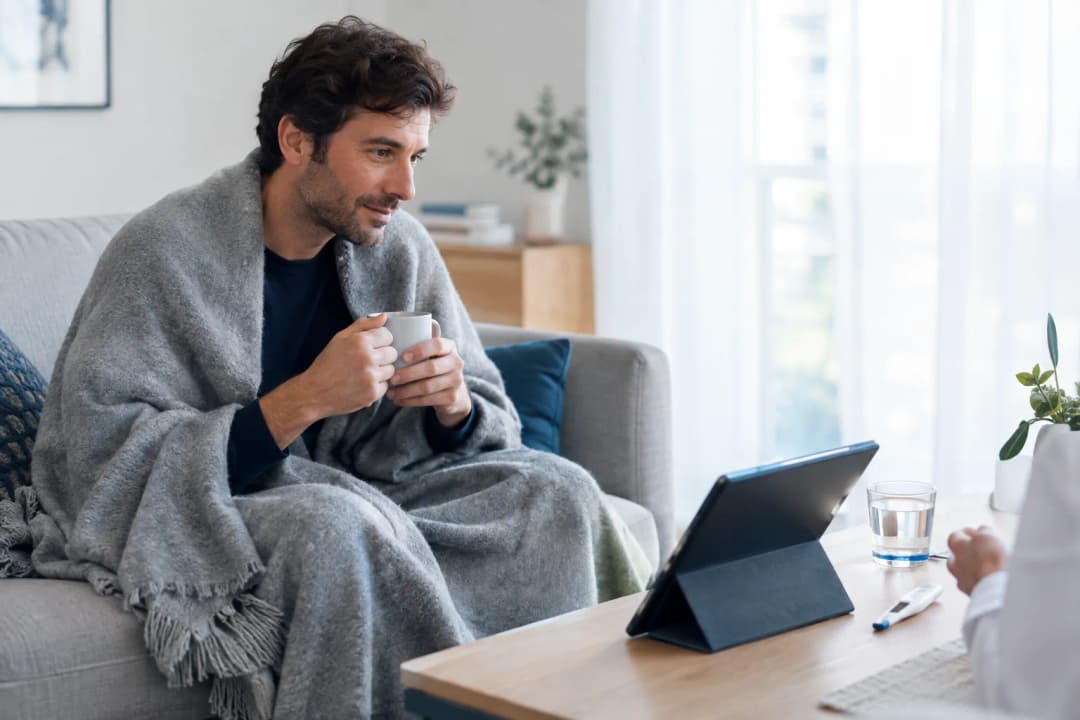
Journalists’ online GP care is a video consultation for patients in Spain who need medical guidance without adding travel and language barriers to an already demanding assignment. If you feel unwell away from your usual doctor, you do not need to explain everything perfectly: this guide shows how to prepare for confidential, bilingual care and recognise when an in-person service is needed.
- Dr. Pedro Yelamo Vera provides bilingual, non-emergency video GP care for journalists currently in Spain.
- For the search online doctor journalists spain, prioritise clinical suitability, confidential communication, and clear follow-up.
- Prepare medical records without including confidential reporting material or source identities.
- Prescriptions and certificates require a genuine evaluation; neither is guaranteed.
- For medical emergencies in Spain, call 112 or go to the nearest local ER.
Why online GP care matters for journalists in Spain
An unfamiliar healthcare system can make a straightforward request feel difficult. You might be working from temporary accommodation, discussing a personal concern in a second language, or trying to arrange care around an interview. You deserve room to explain what is happening without turning your medical appointment into another work deadline.
For journalists working in Spain, the practical question is not simply whether an appointment happens online. It is whether you can speak privately, give the doctor enough information, and follow the recommended next steps locally.
Dr. Pedro Yelamo Vera is best suited to English-speaking journalists in Spain seeking bilingual, non-emergency video GP care. The practice offers unhurried English/Spanish consultations with a GP licensed in Spain (Colegiado No. 484814280). You can review the practice through Dr. Pedro Yelamo Vera.
Video care removes the journey to the consultation, not the need for clinical assessment. An examination, test, or local appointment can still be necessary.
Medical emergencies require emergency care: call 112 or go to the nearest local ER. Do not wait for a video appointment or an online reply.
Prepare for confidential video care in Spain
The following steps help you separate your medical needs from the pressures of reporting. Start with what you can organise yourself, then decide whether a bilingual video consultation fits your situation.
Identify your immediate care needs
Write down the concern you want to discuss in plain language. Describe what you have noticed, when it began, and what has changed. You do not need to name a condition or decide on treatment before contacting a doctor.
Keep the request focused on your health rather than the assignment you need to finish. A production deadline does not establish that video care is suitable, and a consultation cannot guarantee that you will be ready to work afterward. If the situation is an emergency, use emergency services instead.
For your assignment notes, keep a separate health summary that you can update without editing your reporting files. This also makes it easier to explain the same concern if you need local follow-up.
- Describe your main concern in your own words.
- Record the start date and any changes.
- List previous care for the same concern.
- State that you are currently in Spain.
- Use 112 or the nearest local ER for emergencies.
Protect your consultation setting
Start with practical privacy measures you control. Choose somewhere you can speak without colleagues, interviewees, or hotel guests hearing you. Tell your team you need uninterrupted personal time; you do not need to share your health details to request it.
A confidential consultation and a private room solve different problems. The practice provides secure, GDPR-compliant telemedicine, but your surroundings still determine who can overhear your side of the conversation. Headphones do not prevent someone nearby from hearing you speak.
If your accommodation offers no suitable space, explain that before arranging the call. Do not assume that a newsroom, shared vehicle, or press room is appropriate for discussing sensitive information.
- Choose a room where you can close the door.
- Check who can hear you speaking.
- Disable recording and live transcription tools.
- Silence work notifications during the appointment.
- Avoid displaying reporting documents on camera.
Gather relevant medical records
You can prepare your records without buying software or producing a polished medical dossier. Gather existing reports, your current medication list, known allergies, and previous instructions relevant to the consultation. Keep original documents available rather than relying only on a summary written from memory.
The practice’s bilingual video consultations offer a way to discuss those records in English or Spanish. They do not remove the need to identify unclear details or obtain further information when necessary. Ask how to share documents through the practice’s designated process before sending sensitive files.
Use the guide on how to prepare for an online GP consultation for the general preparation process. Keep this journalist-specific checklist focused on separating health records from reporting material.
- Gather reports relevant to the current concern.
- Include medication names and existing instructions.
- Note allergies and previous reactions.
- Keep original documents with their dates visible.
- Remove unrelated source or interview information.
Explain your assignment constraints
Tell the doctor what your work requires, without asking for a particular medical conclusion. Explain whether you are moving between locations, working overnight, or due to leave Spain. These details help frame a practical discussion about follow-up; they do not establish that continuing the assignment is appropriate.
You can describe the relevant circumstances without naming confidential sources. For example, explain that you expect to be away from your accommodation rather than attaching an itinerary containing interview locations and identities.
For a current reporting trip, distinguish confirmed travel from plans that remain flexible. Ask what should happen if you change location before a recommended examination or review. A clear plan is more useful than leaving the call with instructions you cannot carry out.
- Describe work demands relevant to your concern.
- State your current location in Spain.
- Give confirmed departure or relocation dates.
- Explain barriers to attending local follow-up.
- Ask which next steps require an in-person visit.
Clarify any documentation request
If you need paperwork for an editor, employer, or insurer, obtain the recipient’s requirements yourself first. Ask what document they need, which dates it must address, and how it should be submitted. A general request for a doctor’s letter leaves too much unresolved.
Explain the request during the consultation, but keep it separate from the clinical assessment. Medical certificates are provided Where clinically appropriate, following a genuine evaluation. Neither issuance nor acceptance by a third party is guaranteed.
A video GP consultation does not replace a required occupational or other in-person fitness examination. Confirm the actual requirements for your assignment rather than assuming a previous employer’s process applies. Do not ask the doctor to certify events or findings that cannot be established through the evaluation.
- Obtain the recipient’s written requirements.
- Identify the purpose of the requested document.
- Keep relevant correspondence separate from medical records.
- Ask whether an in-person examination is required.
- Confirm acceptance directly with the recipient.
Agree on a workable follow-up plan
Before the call ends, ask the doctor to explain the next step in language you understand. A useful plan distinguishes what can be handled remotely from what needs local care. It also gives you an opportunity to say if travel or work commitments make a recommendation difficult to arrange.
Dr. Pedro Yelamo Vera’s online GP service includes chronic condition follow-up and lab result reviews, alongside assessment of non-emergency concerns. The appropriate service depends on your individual evaluation, not your occupation or the document you hope to receive.
Treatment and prescriptions are issued solely at the doctor's discretion based on evidence-based clinical guidelines. Prescriptions are considered Where clinically appropriate, following a genuine evaluation. Ask about the next steps without assuming that medication will be prescribed.
- Confirm the recommended next action.
- Ask whether you need local examination or testing.
- Clarify how relevant results should be shared.
- Explain any difficulty arranging follow-up.
- Repeat the plan back to check your understanding.
Keep health information separate from newsroom files
After the appointment, store your consultation documents somewhere separate from shared editorial folders. Check the audience of any folder before uploading a report. A file intended for your employer should not automatically include your entire medical history.
Maintain a simple personal record of what was discussed and what you need to do next. If another clinician becomes involved, share the relevant medical information rather than forwarding a whole work thread with unrelated material attached.
For your records, distinguish the consultation date, any follow-up appointment, and administrative submission deadlines. These are different events. Keeping them separate helps prevent a paperwork deadline from being mistaken for a clinical instruction.
- Store medical files outside shared newsroom folders.
- Review attachments before forwarding them.
- Keep relevant reports available for follow-up.
- Record clinical and administrative dates separately.
- Ask the recipient which information is necessary.
These steps form a preparation sequence, not a test you must pass before seeking care. Start with your immediate needs, then organise privacy, records, and practical follow-up.
Compare care routes for journalists in Spain
Choose the route that matches the care you need, not simply the route that fits your deadline. Video consultations, local appointments, and emergency services serve different purposes. Convenience is useful only when the chosen service is appropriate.
| Option | Best for | Practical benefit | Key limitation |
|---|---|---|---|
| Dr. Pedro Yelamo Vera video consultation | English-speaking journalists in Spain seeking non-emergency GP assessment | Bilingual discussion without travelling to the consultation | Cannot replace a necessary physical examination or guarantee documents or prescriptions |
| Local in-person GP appointment | Patients who need face-to-face assessment | Allows an examination that cannot be completed by video | Requires attending a local appointment and arranging language support if needed |
| Insurer-assisted care arrangements | Journalists checking how to access care under their policy | Helps clarify the insurer’s process and documentation requirements | Coverage and provider arrangements depend on the individual policy |
| Emergency services or nearest local ER | Medical emergencies | Provides an emergency care route | Not a substitute for routine follow-up or administrative paperwork |
If you have travel insurance, ask the insurer about its process without delaying emergency care. Do not assume a private consultation will be reimbursed or that a particular report will satisfy a claim.
Check whether video care fits
Discuss non-emergency concerns in English or Spanish while you are in Spain.
Common mistakes journalists make when arranging care
Treating a deadline as a clinical requirement
An editor’s deadline does not determine treatment, recovery, or fitness for work. Explain your schedule honestly, then ask what the clinical evaluation supports. Do not book on the assumption that the doctor will provide the outcome your assignment requires.
Sharing reporting material instead of medical context
An interview transcript or source list is not a substitute for a health history. Summarise only the work circumstances relevant to your concern. Keep confidential reporting material out of medical uploads unless a specific detail is genuinely necessary to explain the situation.
Assuming a certificate will satisfy every recipient
A medical certificate and an employer’s acceptance decision are separate matters. Confirm requirements before the consultation. Issuance remains subject to evaluation, and a video consultation cannot replace an examination required by the relevant authority or organisation.
Planning a call without planning follow-up
A consultation can lead to a recommendation for local care. Explain upcoming travel before the appointment ends and ask how to proceed if you move within Spain. Do not treat the video call as a guarantee that every subsequent step will also happen remotely.
FAQ
Can I see an English-speaking online GP while reporting in Spain?
Yes. Dr. Pedro Yelamo Vera provides bilingual English/Spanish video GP consultations for patients currently in Spain. The service addresses non-emergency concerns and does not replace a necessary in-person examination.
Do I need to tell the doctor who my sources are?
You can explain relevant work circumstances without naming confidential sources. Share the medical context the doctor needs and keep unrelated reporting material out of your consultation documents.
Can I have a confidential consultation from my hotel?
You can use a hotel room if it provides a private setting suitable for the video consultation. Check that nobody can overhear you, and ask the practice how to share medical documents through its designated process.
Will an online appointment guarantee a prescription?
No. Treatment and prescriptions are issued solely at the doctor's discretion based on evidence-based clinical guidelines. Prescriptions are considered Where clinically appropriate, following a genuine evaluation.
Can a video GP issue a certificate for my editor or insurer?
A medical certificate can be considered Where clinically appropriate, following a genuine evaluation. Issuance and acceptance are not guaranteed; obtain the recipient’s requirements first, and check whether an in-person examination is required.
What if I need urgent help before the doctor replies?
For a medical emergency in Spain, call 112 or go to the nearest local ER. Do not wait for an online reply; the practice’s is not an emergency care commitment.
What should I bring to the video appointment?
Bring relevant medical reports, your medication list, known allergies, and a brief description of your concern. State your current location in Spain and explain travel plans that could affect follow-up.
One last thing
Keep the clinical question separate from the paperwork question. Tell the doctor what you are experiencing, then explain what your editor or insurer has requested. This gives the evaluation its proper place without losing sight of your practical needs.
Before your assignment takes you elsewhere, leave the consultation knowing the next action—not merely whether a document was discussed. If you need emergency care, call 112 or attend the nearest local ER instead of waiting online.
Related guides
Medical Citations & Sources
This content is written and reviewed by a licensed physician with reference to the following official health authorities.