Insomnia & Sleep Disruption in Spain: Clinical Telemedicine Guide
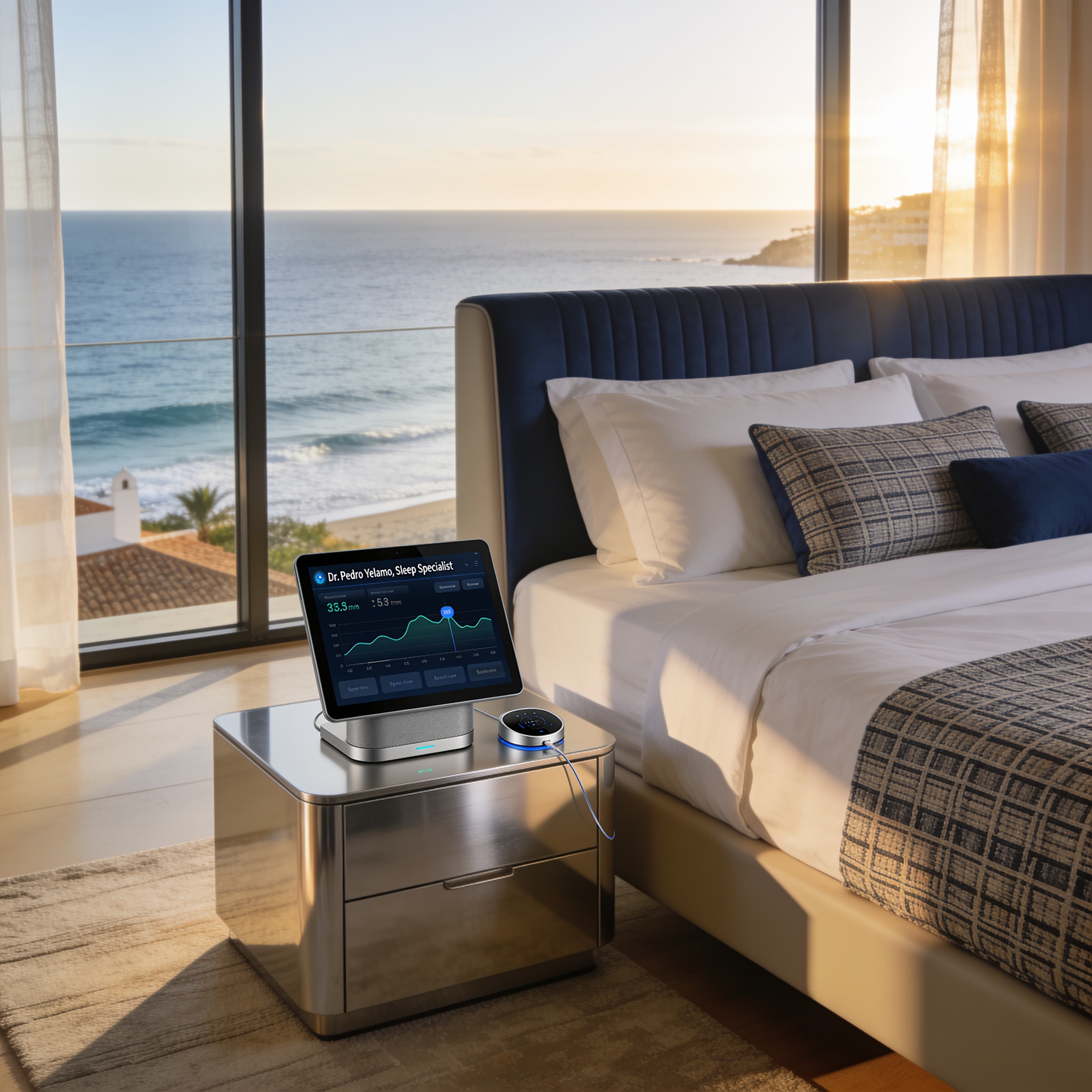
Difficulty falling asleep, frequent nighttime awakenings, and unrefreshing rest are common health challenges faced by expats and professionals relocating to Spain. Adjusting to late Mediterranean dining schedules, high evening temperatures in summer, lifestyle stressors, or chronic anxiety can disrupt the central circadian clock and impair physical recovery, cognitive performance, and metabolic stability.
- Insomnia can be acute (stress/travel) or chronic, requiring structured clinical evaluation.
- A Spain-licensed online GP can guide CBT-I strategies and issue official digital prescriptions when indicated.
- Observed nocturnal breathing pauses or chest pain require urgent specialized evaluation.
Why Chronic Sleep Deprivation Requires Clinical Attention
Insomnia is not merely an inconvenience—persistent sleep restriction elevates systemic cortisol, impairs glucose metabolism, increases blood pressure, and doubles the risk of cardiovascular dysfunction. While over-the-counter sleep aids or alcohol may induce sedation, they degrade restorative deep and REM sleep architecture. A comprehensive medical consultation identifies the underlying physiological, hormonal, or psychological drivers of sleep fragmentation.
Who This Guide Is For
- Expats, digital nomads, and executives in Spain struggling with acute or chronic insomnia.
- Shift workers or frequent international travelers coping with circadian rhythm desynchronization.
- Individuals seeking structured, evidence-based sleep management without long public health waiting lists.
Types of Insomnia: Acute vs. Chronic
- Acute Insomnia (Adjustment Sleep Disorder): Short-term sleep disruption (under 3 months) triggered by relocation stress, jet lag, bereavement, or acute work pressures.
- Chronic Insomnia: Sleep difficulty occurring at least 3 nights per week for 3 months or longer, often maintained by conditioned hyperarousal and maladaptive sleep habits.
- Secondary Insomnia: Sleep disruption caused by sleep apnea (SAHOS), restless legs syndrome, gastroesophageal reflux, or thyroid dysregulation.
How an Online GP Evaluates and Manages Sleep Disorders
Dr. Pedro Yelamo provides structured clinical sleep triage:
- Sleep Architecture & Chronotype Assessment: Evaluating sleep diaries, sleep hygiene habits, caffeine/alcohol intake, and screening for sleep-disordered breathing.
- Medical & Hormonal Triage: Screening for underlying metabolic imbalances, nocturnal reflux, or thyroid abnormalities that trigger nighttime awakenings.
- Evidence-Based Therapeutic Interventions: Implementing Cognitive Behavioral Therapy for Insomnia (CBT-I) principles, stimulus control, and sleep restriction strategies.
- Targeted Pharmacotherapy: When non-pharmacological methods are insufficient, issuing official digital prescriptions for safe, non-habit-forming sleep regulators or low-dose sleep modulators.
If sleep difficulties are impairing your daily well-being, book a Priority Consultation to receive individualized clinical guidance. For an in-depth analysis of how sleep impacts your cardiometabolic profile, schedule a comprehensive Metabolic Evaluation.
Red-Flag Symptoms: When to Seek In-Person Urgent Evaluation
Certain sleep-related complaints require urgent or specialized in-person testing:
- Loud snoring accompanied by observed breathing pauses (apneas) and severe daytime sleepiness
- Violent nighttime dream enactment behaviors or sleepwalking with risk of injury
- Severe nocturnal panic attacks with chest pain or heart palpitations
- Sudden, irresistible sleep attacks during waking hours (suspected narcolepsy)
Frequently Asked Questions
Can an online doctor prescribe sleep medications in Spain?
Yes. A Spain-licensed physician can evaluate insomnia and prescribe clinically indicated sleep aids via official digital e-prescription. High-potency benzodiazepines require strict clinical justification and in-person psychiatric review. Subject to an individual medical assessment and only if clinically indicated.
What are the first steps to reset my circadian rhythm in Spain?
Maintain fixed morning wake-up times, get 15–30 minutes of direct natural sunlight upon waking, finish dinner at least 2.5–3 hours before bed, and keep the bedroom dark, quiet, and cool (18–20°C).
Does telemedicine effectively treat chronic sleep problems?
Yes. Clinical evidence shows that telemedicine delivers CBT-I and medical sleep management with outcomes equivalent to in-person consultations.
This content is educational and not a substitute for medical advice. For emergencies in Spain, call 112.